
Back-To-School Safety Reminders
As families across California get ready for the start of a new school year, many are busy adjusting routines, organizing supplies, and preparing for packed schedules. While these preparations help set the tone for a strong academic season, it is also an ideal opportunity to revisit everyday safety habits that support children throughout their day. A little planning now can help keep students safer, reduce stress for parents, and create a smoother transition back into school routines.
Back-to-school safety goes far beyond what happens on campus. It includes the morning commute, time spent in classrooms, after-school routines, and the hours children spend at home. With so many moving parts, staying intentional about safety can make a meaningful difference for families. Reviewing a few core practices helps children feel confident and gives parents greater peace of mind knowing their kids are better prepared for whatever the day brings.
Safe Habits Before the School Day Begins
The trip to school is a major part of a child’s weekday routine, and reinforcing safe habits can help prevent unnecessary risks. Whether students are walking, biking, riding the bus, or getting dropped off, a few simple reminders can make their commute more secure.
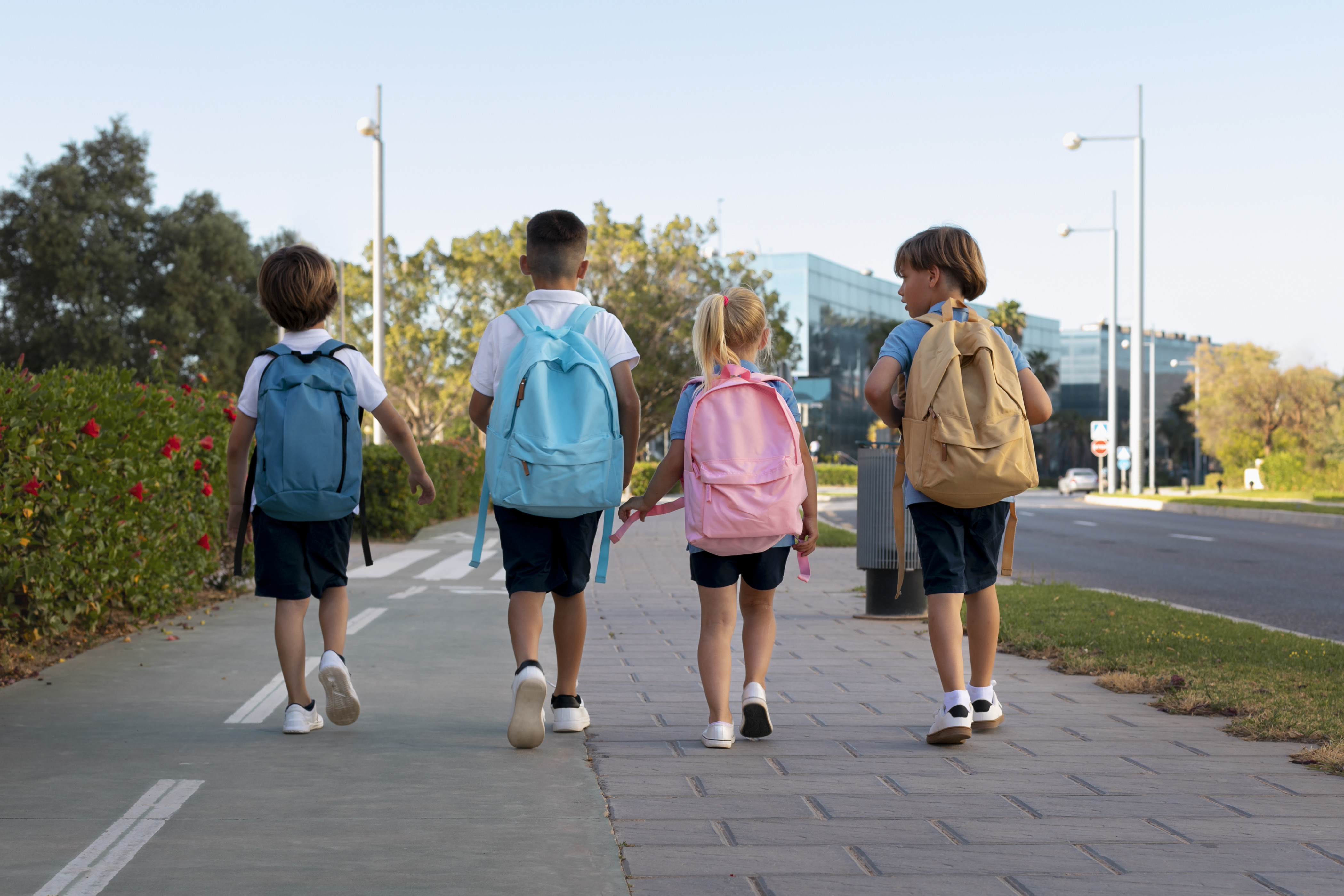
Parents can encourage children who walk to school to stay on sidewalks whenever available and to cross only at intersections or marked crosswalks. Looking both ways remains essential, but making visual contact with approaching drivers adds an extra step of awareness. Walking with friends or siblings can also help kids stay more alert and reduce distractions during their commute.
For students who bike to school, wearing a helmet that fits correctly is one of the most important safety steps they can take. Riding on the right-hand side of the road, staying with the flow of traffic, and stopping fully before entering intersections are all helpful habits. Selecting routes with lighter traffic or fewer crossings can also make biking to school feel safer and more manageable for young riders.
Families who rely on bus transportation should take time to go over basic bus stop safety. Children should wait several feet back from the curb and approach only when the bus has come to a complete stop. It is best to avoid walking behind a bus or crossing in front without acknowledging the driver first. These reminders help reduce the chance of accidents during busy morning pickups.
Drivers dropping off their children play an essential role in school zone safety as well. Following posted speed limits, honoring the school’s designated drop-off instructions, and avoiding attempts to pass a stopped bus are all important actions. These habits keep school zones safer for students, families, and staff.
Teen drivers may need an additional refresher on safe driving expectations. Reinforcing the importance of seatbelts, limiting passengers, avoiding distractions, and obeying speed limits can help promote responsible habits—especially during the early-morning rush.
Establishing Healthy and Safe School-Day Habits
Once children arrive at school, everyday routines also play a major role in building a safe and comfortable learning environment. Parents can support these routines by helping students understand what to do in common situations.
Emergency information is one of the most helpful tools a child can carry. Kids should know their full name, home address, and at least one parent or guardian’s phone number. Placing a small, laminated emergency card in a backpack with contact information and any necessary medical details can make a big difference if a child ever needs assistance away from home.
Health habits are equally important during the school year, especially in larger classrooms. Teaching kids how to wash their hands effectively and reminding them not to share personal items, drinks, or food with classmates can help reduce the spread of germs during the school months.
Backpack safety is another topic worth discussing. Carrying too much weight each day can strain a child’s shoulders and back. It is generally recommended that a backpack weigh no more than 15 percent of a child’s body weight, and using both shoulder straps can help distribute the load evenly.
Parents should also stay engaged in conversations about bullying. Helping children understand the signs of bullying, how to report issues, and which adults they can trust at school empowers them to seek help when needed. These discussions build confidence and encourage a safer school environment.
Labeling personal belongings is another small but meaningful step. Rather than placing a child’s full name on visible tags, families may prefer to use initials or place labels inside backpacks or lunch boxes to maintain privacy.
Safety Tips for After-School Hours
Once the final bell rings, the pace of the day can shift quickly. For many families, after-school hours involve sports, homework, childcare arrangements, and various commutes. Establishing predictable safety routines helps ensure children remain protected even when parents are busy.
Creating a simple check-in system is a helpful place to start. Kids who walk or ride home independently can send a quick message or make a phone call to confirm they arrived safely. Some families may also choose to use family locator apps or backpack GPS tags to add another layer of reassurance.
If a child will spend time at home alone, setting clear guidelines is essential. Parents can discuss expectations around locking doors, answering the phone, and whether anyone is allowed inside the home. Kids should also know exactly what to do if someone unexpected knocks on the door.
Online safety remains important during the school year as well. Parents can remind children never to share personal information—such as their home address, school name, or daily schedule—while using digital platforms. Encouraging kids to talk openly about anything online that makes them uneasy helps keep communication strong.
Emergency planning is another vital conversation. Children should understand what to do in situations such as severe weather, fires, or emergencies that may occur when parents are unavailable. Practicing these plans in advance can make them easier to follow if a real situation arises.
As families in Encino and throughout California prepare for a new school year, reviewing these safety habits can help create a smoother, more confident start. At the Law Offices of David Davidi, APLC, we understand how quickly accidents and injuries can occur when safety procedures break down. If you have questions about family safety, accident prevention, or your rights after an injury, our team is always here to support you. As a no win–no fee law firm, we are committed to protecting families and helping them move forward with confidence.