
Should You Have a Dash Cam?
Dash cams are becoming a popular tool for drivers who want a clearer record of what happens on the road. They can provide valuable video evidence after an accident, especially when fault is unclear. However, they are not foolproof and come with limitations and legal considerations. Understanding both sides can help you decide if installing one makes sense for your situation.
Why More Drivers Are Choosing Dash Cams
Traffic accidents are often confusing and stressful. In many cases, there are no independent witnesses, and drivers involved may remember events differently. This can turn a simple claim into a dispute where each party tells a conflicting version of what happened.
Because of this, more drivers are looking for ways to document their time on the road. Dash cams offer a way to capture events as they unfold, which can be especially helpful when dealing with insurance companies or legal claims. As accident rates remain higher than in previous years, the demand for objective evidence continues to grow.
Studies have also highlighted the potential benefits of video recording. Research published in the Journal of Safety Research found that accident-related expenses dropped significantly when dash cams with driver feedback were used. While that data reflects a specific use case, it reinforces the broader idea that video documentation can influence both behavior and outcomes after a crash.
How Dash Cams Function Day to Day
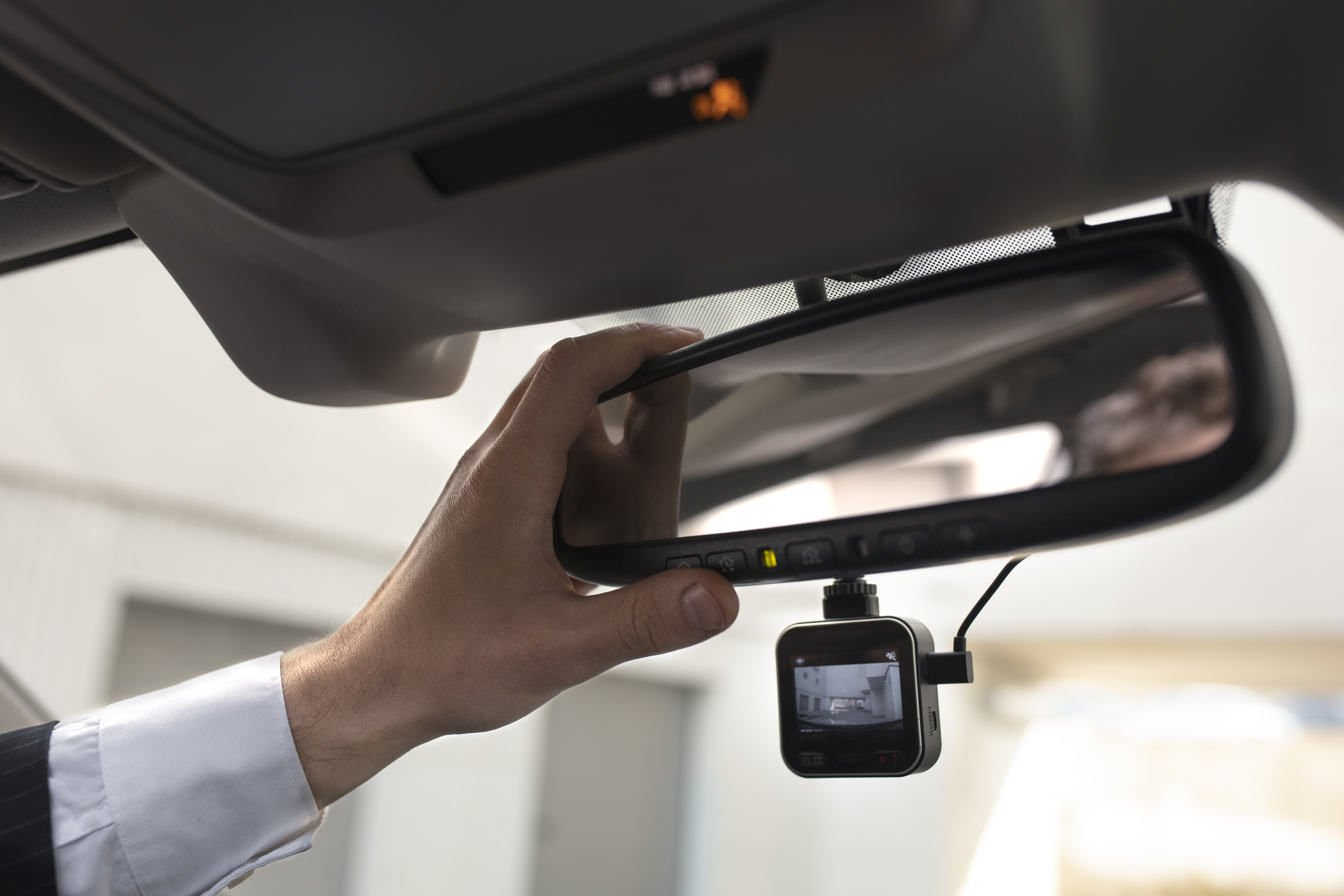
Dash cams are compact cameras typically mounted on a vehicle’s dashboard or windshield. Once the car is running, they begin recording automatically and store footage on a memory card. Most devices use loop recording, meaning older clips are continuously replaced unless they are saved.
Many modern dash cams offer additional features beyond basic recording. Some activate when motion or impact is detected, even if the vehicle is parked. Others include dual cameras for front and rear coverage, night vision capabilities, GPS tracking, or cloud storage options.
Regardless of the features, the primary purpose remains the same: to create a visual record of events on the road. This record can become especially important if an accident occurs and details are disputed.
How Footage Can Support Your Case After an Accident
One of the most significant advantages of having a dash cam is the ability to capture real-time evidence during a crash. When fault is unclear, video footage can provide insight into what happened leading up to the collision and immediately afterward.
This footage may reveal critical details such as traffic signals, lane positions, or sudden braking. For example, it could show another driver failing to yield or drifting into your lane. In situations where accounts differ, this kind of evidence can help clarify the sequence of events.
At the Law Offices of David Davidi, we often see how valuable clear documentation can be in a personal injury case. As an Encino personal injury attorney, we understand how video evidence may help strengthen a claim or resolve disputes more efficiently.
Helping Protect Against Fraudulent Claims
Although not common, staged accidents and false claims do occur. These situations can place innocent drivers in difficult positions, especially when there is little evidence to contradict a false narrative.
Dash cam footage can serve as a powerful safeguard in these cases. Video evidence has exposed instances where collisions were intentionally caused or details were misrepresented. By capturing what actually happened, a dash cam can make it much harder for inaccurate claims to succeed.
While no device can eliminate risk entirely, having objective footage can provide an added layer of protection against bad-faith claims.
Recording Hit-and-Run Incidents
Hit-and-run accidents are particularly frustrating because the responsible driver leaves the scene. Without identifying information, pursuing compensation can become much more difficult.
Dash cams may help capture key details such as license plates, vehicle color, or other identifying features. Cameras equipped with parking mode can be especially useful, as they may begin recording if motion or impact is detected while your vehicle is unattended.
This added capability can improve the chances of identifying the other party and supporting an insurance or legal claim.
Limitations You Should Consider
Despite their advantages, dash cams are not a perfect solution. They only record what is within their field of view. If an accident occurs outside that range or the footage is obstructed, the recording may not provide useful information.
There are also technical limitations. Footage can be overwritten if it is not saved in time, and poor lighting or camera quality may affect clarity. These factors can reduce the usefulness of the recording when it matters most.
It is also important to remember that dash cams are impartial. If the footage shows unsafe driving behavior on your part, such as speeding or distracted driving, it could be used against you. The camera simply documents events without bias.
Legal and Privacy Considerations in California
Using a dash cam comes with certain responsibilities, especially in California. Placement matters, as improperly mounted devices could obstruct your view or violate local regulations. Ensuring proper installation helps you stay compliant and safe.
Privacy is another key issue. California has specific rules regarding audio recording, particularly when it involves consent. Recording conversations inside your vehicle without permission may raise legal concerns, depending on the situation.
It is also important to handle and store footage carefully. If video is used in an insurance claim or legal case, maintaining its integrity can be critical. Working with a California injury lawyer can help ensure that any footage is used appropriately.
Deciding If a Dash Cam Is Right for You
Choosing whether to install a dash cam depends on your individual needs and comfort level. Drivers who spend a lot of time on the road, rely on their vehicles for work, or have experienced disputed accidents may find the added documentation especially valuable.
Others may feel hesitant due to privacy concerns or the possibility that footage could work against them. Both perspectives are valid, and the decision ultimately comes down to what makes you feel most secure behind the wheel.
If you have been involved in an accident and are unsure how video footage could impact your claim, speaking with a car accident lawyer can help clarify your options. At the Law Offices of David Davidi, we provide guidance tailored to your situation and work on a no win no fee basis. Learn more about your legal options by visiting our personal injury legal services page or call us at (888) 529-0707 to discuss your case.